Let’s assume you have a situation where you’ve started many things at work, but not everything is in order. This is because you’re juggling too much. But at some point, you want to bring your affairs into order. Where do you start?
The approach you need now is different from the one you use for everyday tasks. Simply writing down the most important points isn’t enough.
Use a technique from child psychology to shift into superhero mode.
In my mother’s desk, I once glimpsed two examples. It’s about how the result depends on motivation.
- The first group of examinees were told to jump as far as possible. The results were good.
- The second group was given a different task. They were asked to imagine they were competing in the Olympic Games, where athletes set records. The results were outstanding. The children tried much harder and jumped further overall than in the first group.
Another example concerned individual assignments when children were tested one at a time at different times.
- A child was instructed to stand at attention and not move for as long as possible. The average time that children lost their attention and relaxed was one minute.
- A child was asked to imagine they were a watchman on a guard post, with a club in their hand. They were told not to move. Typically, the examinees stood for 4 minutes.
Before you start planning, imagine that your plan affects the work of others. Seriously, don’t go down to the level of “it’s always been this way” or “it doesn’t matter.” If all managers ignored the interests of employees, they would eventually be left alone. Managers optimize costs, and the system can slide into doing things on the fly. But that works satisfactorily only when everyone is present. What if someone goes on vacation?
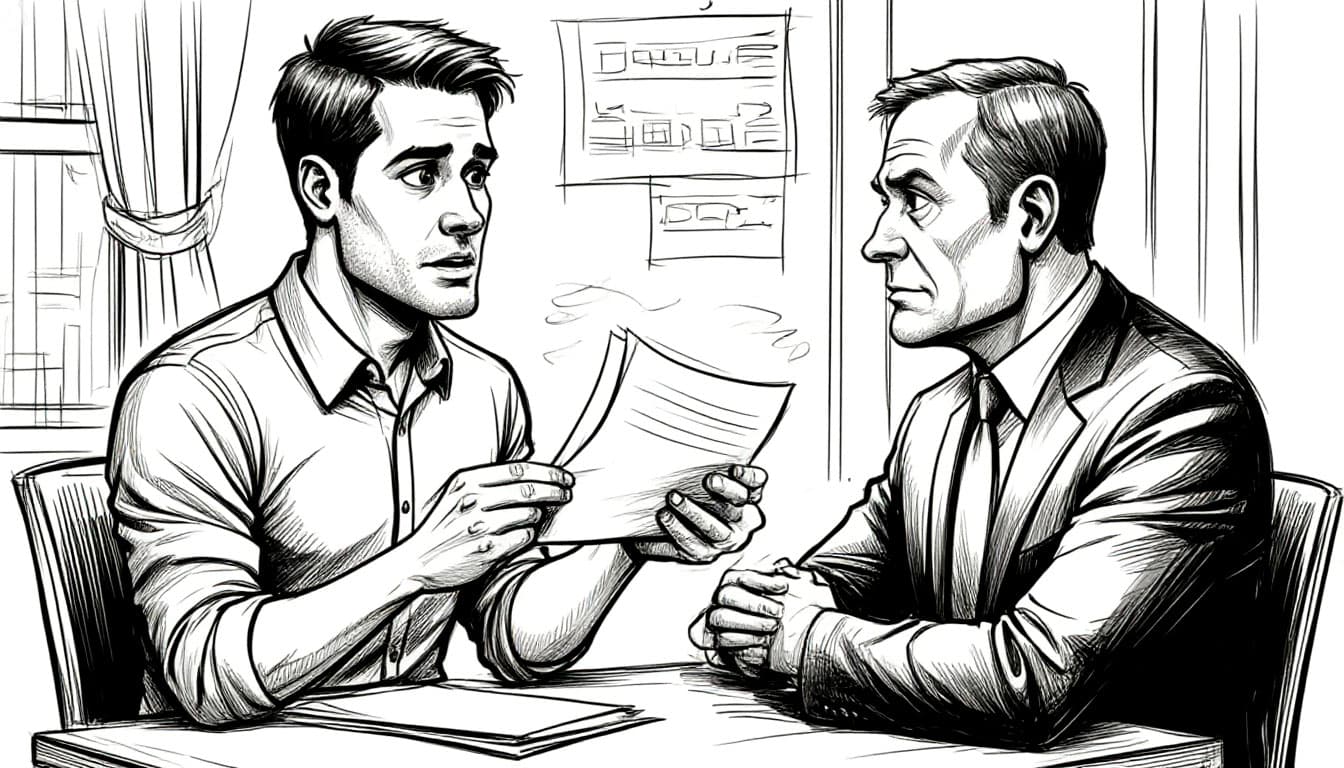
- Boss, I need some vacation time!
- When?
- Sorry… what day is it?
Here’s your turn to go on vacation. Even if everything works well with responsibilities at your job, you should ask questions (do this from time to time) – add “in case of my absence” to the end:
- Which areas do I cover and who can help me?
- Who is under my supervision and who will support their work?
- What are the most critical tasks that remain currently (mine/in the department)? Are there documented solutions for them, and am I using them now?
- What’s the likelihood that no one will continue my tasks, and I’ll have to catch up on new urgent tasks when I return, and also go back to old ones, essentially starting them from scratch if not significantly behind?
- Am I passing on my work (code, description, plan, contacts, dependencies, current blockers, goal and where I am in its pursuit) in a clear and convenient way?
The last point is very important. By carefully considering it, you reduce the level of problems with other tasks. That’s why I advocate for emphasizing timely documentation. By documentation, I mean any record of the state of affairs that can be easily found and unambiguously understood. Don’t forget about small things, such as the fact that people may not have access to your documents or the file format may not work because you love Mac and Markdown. Also pay attention to the penultimate question. This could push you towards finishing tasks at 80% completion in your system’s rating.
For example, you’re working on developing a conveyor belt for automatically checking code with AI during a Merge Request in Gitlab. You implemented the task so that the AI response comes as text in the runner log, which is 80% complete. Now your task is to translate that text into a comment in the bug tracker. Stop. Think about how others will use this tool and what side effects it might have. Probably the auto-review stage will be restarted by the developer several times to ensure the AI model has progressed and the response isn’t different from previous ones due to an incorrectly set temperature. Each such run will send a message to the task, which in turn initiates sending emails to all task participants. It doesn’t seem right. Stop and finish the task at this point, leaving a comment explaining the solution (in the ticket or documentation – as you decide for your project).
Therefore, the recommendation “start with the most important thing” is nothing. Dig deeper. I’ve provided a guiding principle above.
In the next time, I’ll provide an example of a similar situation with a diagram.
As a reminder:
- Always record what was discussed in the task
- Summarize meeting outcomes or note reasons for not holding a meeting
- Add tags (if the service supports them)
- Copy text and images from messengers and emails related to the topic
- Attach files and screenshots so that they are not lost in the future (instead of links, copy text and images)
- Recognize images and sound from conferences using AI assistance.
This will help in the future to restore the history of decisions.